Delinquency gets flattened into one column called “late.” Underneath it are a dozen different problems that need a dozen different responses. Here’s how to triage instead of chase.
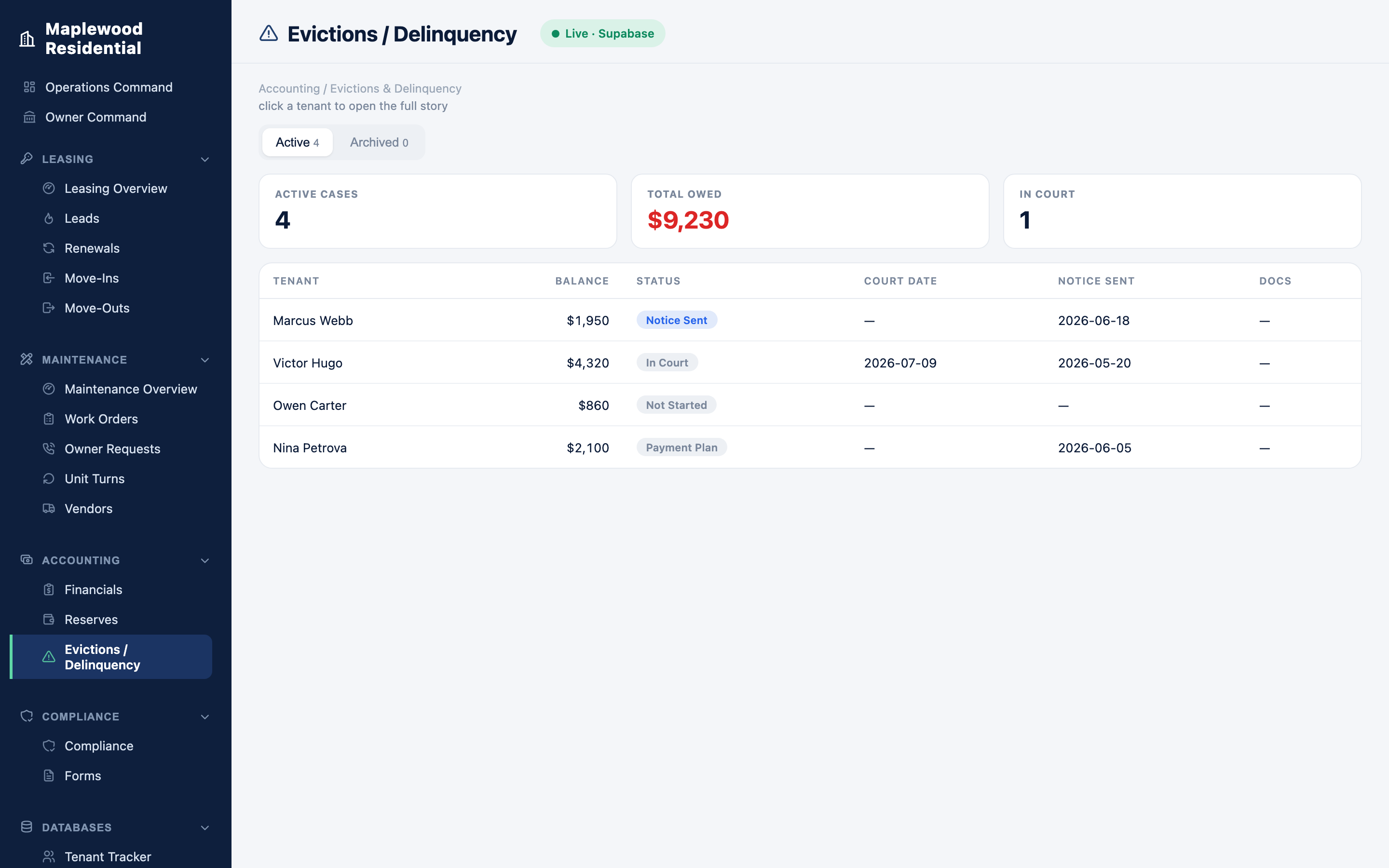
I once called hundreds of delinquent tenants. Same column on the same report — and twenty completely different reasons underneath it.
That’s the problem with how most operations handle rent collection. Delinquency gets flattened into one status called “late,” and everyone late gets the same three emails. But “late” isn’t one problem. It’s a dozen problems wearing the same label — and each one needs a different response.
The cost of treating them all the same
Per NARPM’s 2025 benchmark, the average property manager spends 18.6 minutes of labor on every late payment. At 100 units and a 12% late rate, that’s roughly 22 hours a month — most of it spent sending the wrong message to the wrong person. The tenant who simply forgot gets the same threatening notice as the one in real hardship, and you train your best residents to resent you while your hardest cases slip further away.
Triage, not chase
Good collection isn’t about chasing harder. It’s about sorting “late” into its real categories and matching each to the right path:
- Forgot. A reliable payer, a few days late. One friendly nudge with a pay link. No notice, no friction.
- Cash-flow timing. Pays late every month around the same date. Offer a due-date change or a split — a structural fix, not a monthly fight.
- Partial payer. Pays something, never all. Needs a tracked payment plan, not another full-balance demand.
- Genuine hardship. A pattern break in a good account. Needs a person, a payment plan, and resource referrals — fast, before it becomes an eviction.
- Dispute. Withholding over a maintenance issue. This isn’t a collections problem at all; it’s a work-order problem routed to the wrong queue.
- Chronic / non-responsive. The real escalation case. This is where formal notices and legal timelines belong — reserved for the accounts that actually warrant them.
How automation makes triage possible
Here’s the part people get backwards: automation isn’t what makes collection impersonal. Done right, it’s what makes it personal at scale. The system watches the ledger, sorts each late account into its category by payment history and behavior, and runs the matching sequence on its own — the gentle nudge, the due-date offer, the payment-plan tracker, the formal escalation — each timed to the account and to local law.
What reaches a human is no longer the whole list. It’s the handful of accounts that need judgment — the hardship call, the dispute, the plan that needs a human yes. That’s the same trigger-sequence-definition-of-done pattern behind every operating-system workflow: the machine handles the sorting and the chasing, the person handles the conversation.
The shift
Stop measuring collection by how fast you fire off notices. Measure it by how accurately you route. When every delinquency gets the response it actually needs, you collect more, evict less, and stop burning 22 hours a month sending the wrong email to the right people.